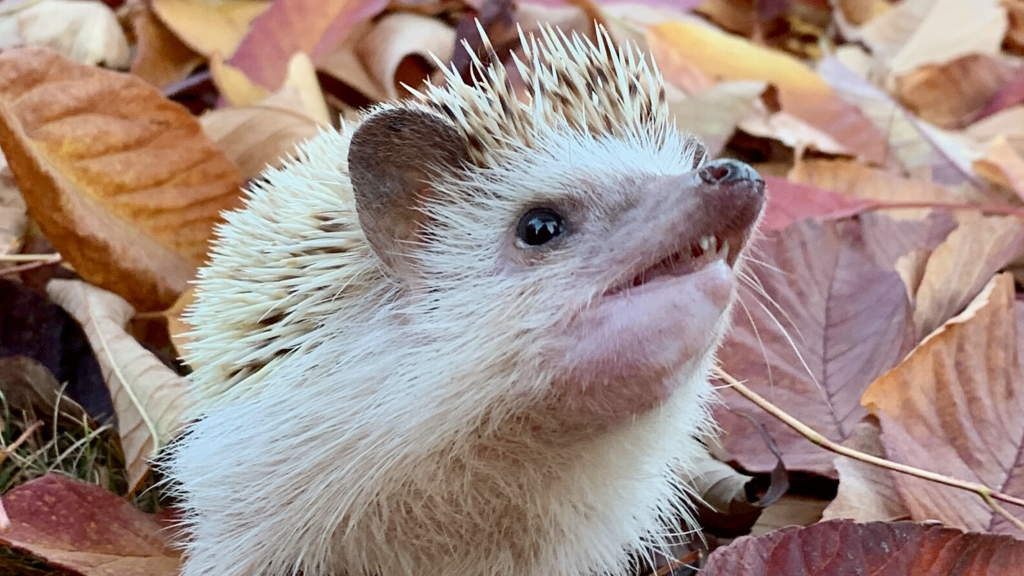
I’ve always anticipated Lou, my second hedgehog, to pass away before his third birthday. I say this because he was a product of backyard breeding of unknown lineages and health history, atrophied muscles, a poor diet, and anemia. He was also very skittish when I rescued him from a problematic housing and care situation at a local pet store.
Can you believe that they sent him home with me without checking if I have a suitable enclosure, habitat, and food? It really speaks to how they’re all about profit and not in the business of providing quality care for hedgehogs. Some parents buy hedgehogs for children during Christmas time, or friends buy pets for other friends for birthdays without consulting and ensuring proper care for the hedgehog’s wellbeing. On the other hand, the recipients may need more time to be ready for that kind of responsibility or financial commitment or didn’t foresee the necessary level of quality care for hedgehogs. That is why it is no surprise that you see hedgehogs rehomed on Craiglist and Kijiji.
It’s been speculated that the earlier lineage of domesticated hedgehogs have a longer life span, with some living up to 10 years old. However, that is no longer common, with many domesticated African Pygmy only having a short life span of two to five years old. Based on all the commentary on Facebook and Instagram, I’m only seeing lifespans between two and three. Any hedgehogs who are older than four are in the minority. I often notice the number of comments asking for their specific dietary care too, likely because we all want to emulate their care and ensure our hedgies can live a long and healthy life. That being said, staying on the same diet may not necessarily guarantee a cancer-free life or longer life span.
GRAPHIC WARNING & DISCLAIMER:
The content of this page may not be suitable for all audiences as it contains graphic images of a hedgehog with oral cancer, aggressive tumour growth, blood, and death. The author at Adventurous Paws (or Adventurous Hedgies) is not liable for any injury or death as a result of misunderstanding the information from this blog post and website. Also, all external links included in this page are not sponsored or affiliated. We have included them for readers who are curious to learn more. If you’re interested in learning more, always speak to your vet, as the information on this website is not a substitute for actual vet visits and examinations.
Table of Contents (skip ahead here)👋
As we approach Lou’s third gotcha day back in June 2022, I’ve been making sure that we visit the vet whenever I have a bad gut feeling. As you may have noticed, Lou has always been on the smaller side than my other hedgehogs, Theo and Cici, and his other local hedgehog friends. So, during his annual six-month check, I was told he was doing alright. The suggestion at that time was to add kitten food to his existing urinary care prescription diet to help him gain more weight.
Skipping ahead to August after returning from a short local trip, I noticed Lou has a growing and hard lump right underneath his mouth or chin area. It was very subtle, but I felt it as I always gave him chin rubs and noticed this was not normal. At first, I thought it might be swelling from bumping into one of his toys or the enclosure. I tried a warm compress, but it persisted after a few days.
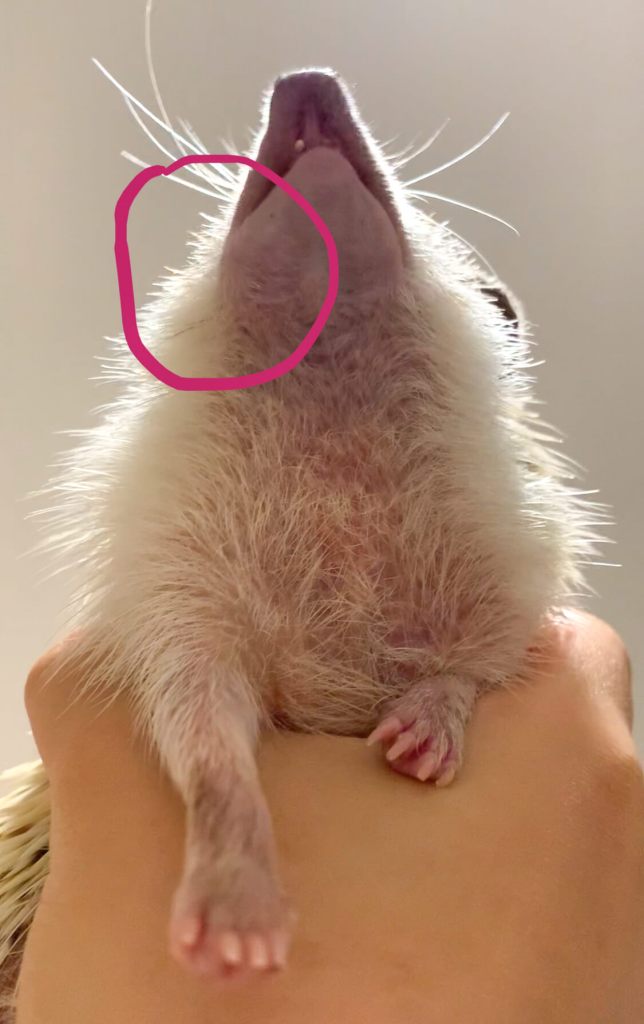
That’s when I decided it was time to see the vet, as it may look like a cyst or tumour, given its placement and age.
Week 1-3: Initial Consultation with Vet
Although it hasn’t been that long since Lou’s last visit in June, it was time for another visit as I have a bad gut feeling about the nature of this lump.
As our regular vet, Dr. S., was on vacation during that time, and even our secondary vet was fully booked, it was time to look for a third option. For context, this was our first time seeing Dr. A, so there was a lot of hesitation in terms of experience as we had very poor luck with vets back in 2017-2018. (We’ll share this story another time.) After chatting with another hedgehog parent who has been there, I was more at ease with visiting this new place.
I’ve also left a Google review and shared my experience with my local hedgehog group. Dr. A was very lovely, and now I highly recommend them. Upon physical examination, the vet informed me that this was likely Oral Squamous Cell Carcinoma due to its placement. Still, we cannot eliminate other factors like tooth infection, bone disease, and other types of cancer without biopsy and further examination.
I had a very positive experience with Dr. A, although the outcome of Lou’s health wasn’t the same. Dr. A sat with me and explained the various options to proceed with Lou’s health, which were as follows.
Option (1): Biopsy
PROS: We’ll be sure of the exact nature of the lump and can provide a more precise treatment to help manage the outcome.
CONS: Biopsy would mean removing a significant chunk from Lou’s tiny mouth. Post-biopsy surgery and recovery may impact his eating habits as the sample is from the mouth. The road to recovery post-biopsy while fighting cancer would also be very hard on his body. He also may not live long enough post-procedure as there is always a risk with any procedure, especially for senior pets. In short, it could be a very invasive and aggressive surgery, but it can give us more insight into the root cause. The biopsy report may also take a while, which is something I can’t afford if I’m running out of time with Lou.
Option (2): Dental X-Rays
PROS: We can determine if it’s bone, teeth, or dental-related with X-ray examinations. Less invasive than a biopsy. Complementary procedure to the biopsy option.
CONS: Costly and takes a while to get the lab results. Another consideration for me was that it would take weeks, and I was afraid we didn’t have enough time to wait as I wanted to get Lou on medications immediately. But, if time is not a luxury for you, I would highly recommend this procedure as it would be a less-invasive and crucial step in determining the root cause. Still, we cannot determine if the cells are cancerous based on X-ray readings alone.
Option (3): Palliative / Hospice Care
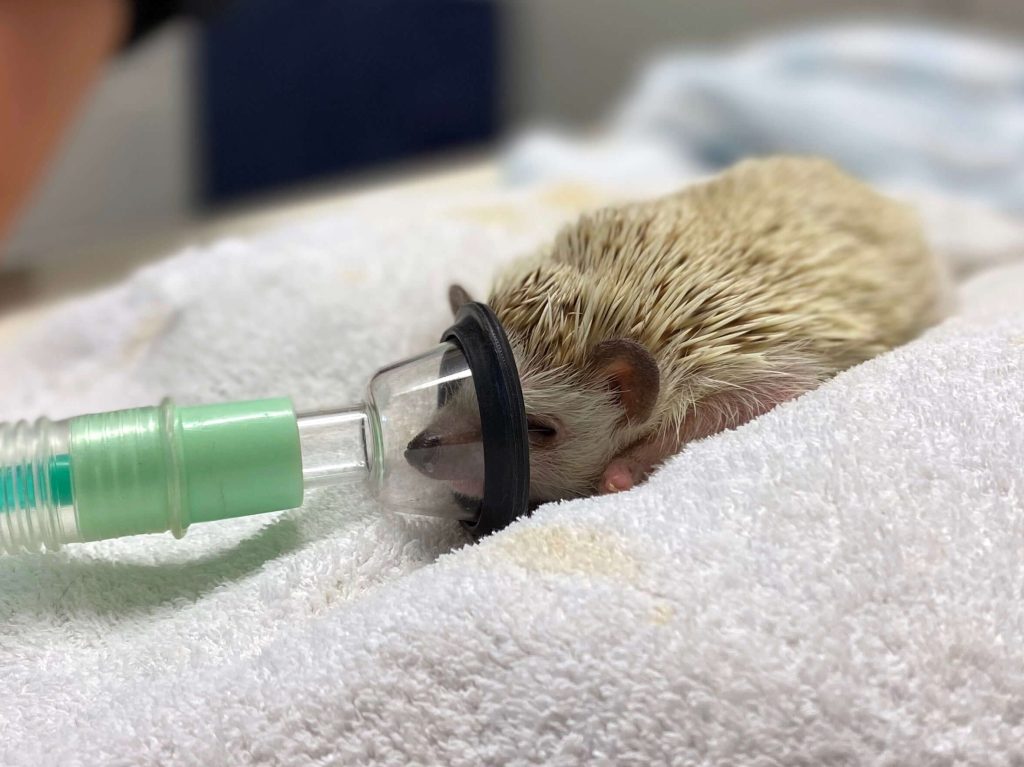
PROS: We’ll assume it’s cancer and/or infection and start treating Lou with antibiotics and non-steroidal anti-inflammatory drugs (NSAIDs) to manage the pain and inflammation.
CONS: Depending on the type of drugs, antibiotics may not necessarily help if this is a tumour. Same with NSAIDs. However, the vet didn’t recommend starting with steroids if NSAIDs can be the first option. (I can’t remember why; maybe something to do with side effects.)
Advice from Hedgehog Friends 🌈
I want to give a special thank you to the parents of Jochi, Charlie, and Pepper. They have been very helpful in sharing their personal experience and the treatment options for oral cancer in hedgehogs. I count my blessings and am thankful to have a supportive community of hedgehog friends. It also breaks my heart to learn that some of them had already gone through this painful process of losing their beloved hedgehogs to oral cancer.
Decision: why we chose palliative care
After carefully weighing my options, I’ve decided to choose palliative care for Lou since he probably doesn’t have much longer. It didn’t make sense to put him through an invasive and painful surgery just to prolong his lifespan for what might be a couple weeks. I personally think that would be very selfish of me. I would like to believe that Lou will tell me whenever he feels ready to say our goodbyes. We were told to continue with the clindamycin antibiotics and Metacam NSAIDs for two weeks with a follow-up.
If you’re looking for a cure, I’m afraid to be the bearer of bad news – as there is no cure. You can’t recover from cancer, yes, your pet may enter remission but chances of the cancer returning is still there and pretty high among hedgehogs. So, people telling me that “I hope he recovers soon”, sorry but I’m afraid Lou won’t and can’t recover from cancer. It’s just the ugly and sad realities of pet health, but I will be there until the end of time. 🌈
Week 4-6: Follow-Ups & Birthday
Once my regular vet, Dr. A., was back from vacation, we went to see him immediately. Although I knew it was very likely for the lump to be cancerous, I was also hoping that a second opinion might disprove the initial diagnosis.
Well, I hate to say this, but our vet also confirmed it’s cancer like he was 98% sure that was the case, and Lou’s prognosis does not look good. I was told he probably had a month left in early September 2022.
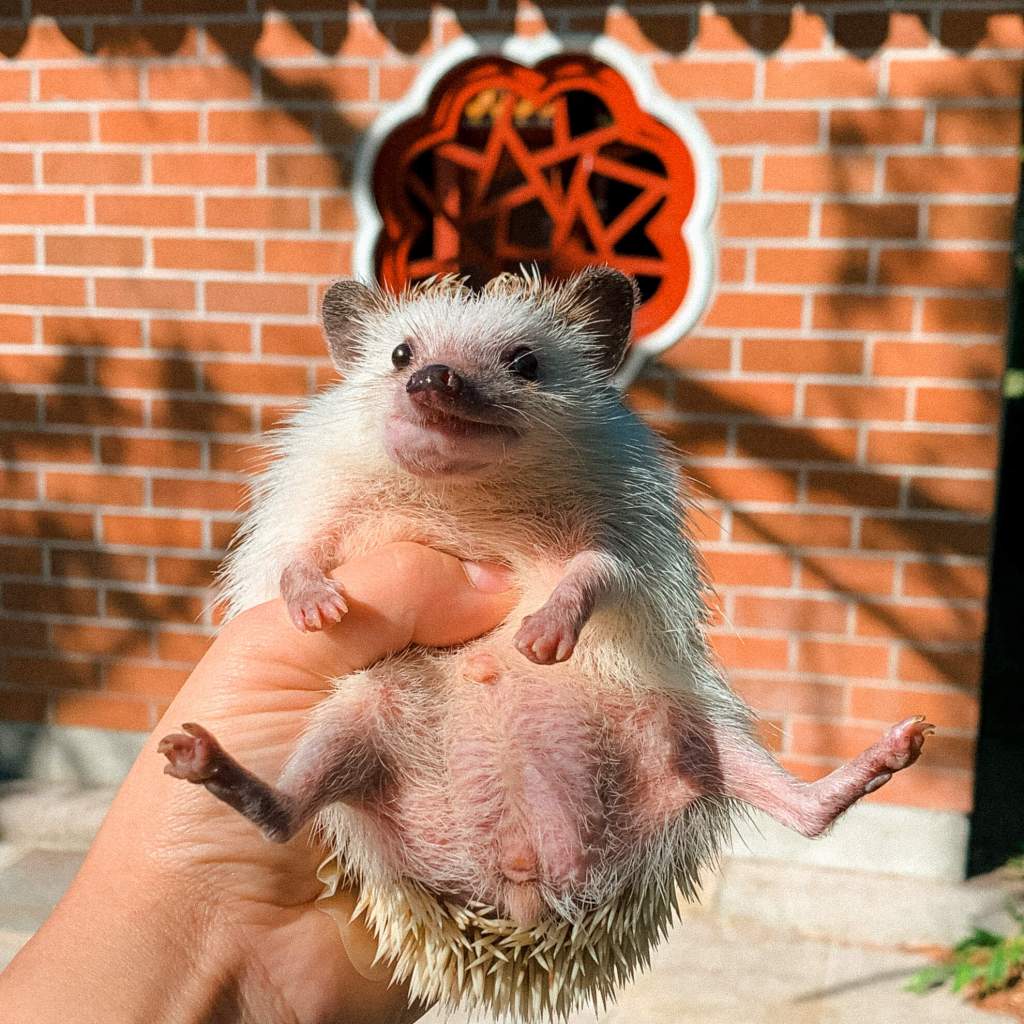
We discussed medication and treatment options. We were told to continue with the NSAIDs and stop with the antibiotics as this was unlikely to be an oral infection. At this point, Lou was still eating his dry kibbles, but I made sure to give him a bowl of wet canned food and to crush his kibbles, so that it would be easier on his mouth.
Between weeks five and six, we switched from the Metacam NSAIDs to Prednisolone/Prednisone, a compounded steroidal medication, which proved to be more effective for Lou’s palliative care. How did I know? Well, he’s still here!
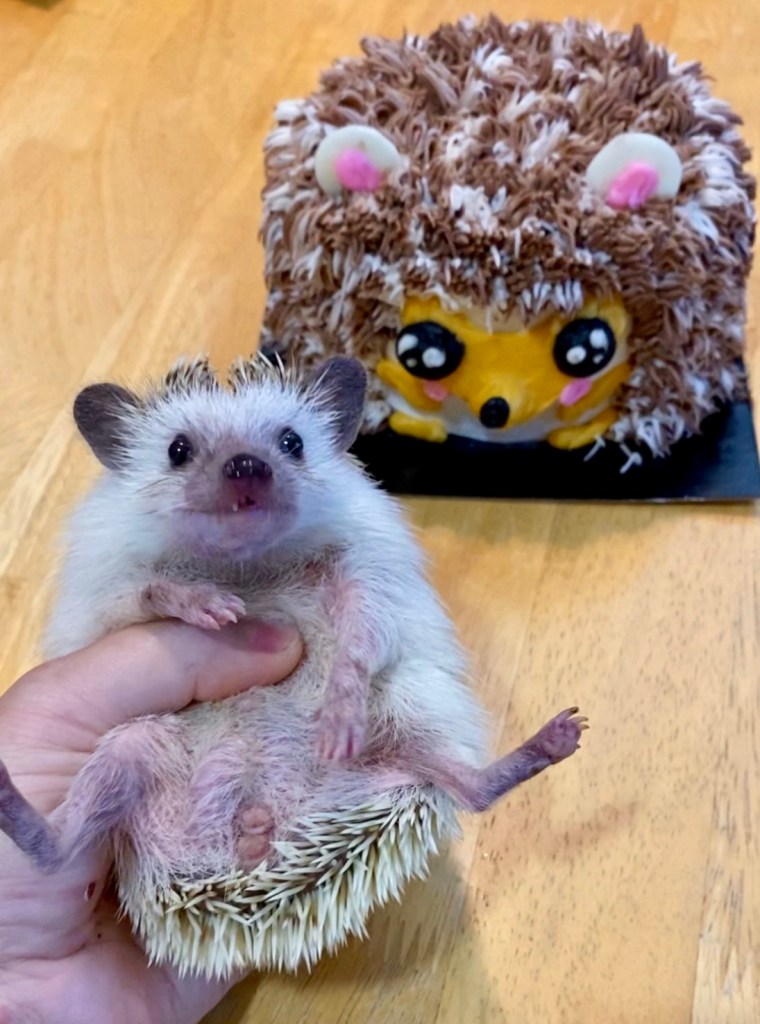
Since Lou’s lineage and past is very much unknown, I did some calculations and figured his birthday could have been sometime in September 2018. Lou officially turned four years old this September, I’m so glad he’s remained optimistic and cheerful despite what he’s going through. We also managed to organize a local Vancouver hedgehog meetup so that he can have a proper or formal goodbye to his hedge-friends.
Week 7-11: Routine Care for Oral Cancer
Lou is always ready at 8AM or 10AM for meds. It’s funny because sometimes he’s already awake before I am ready to feed him his meds with fresh food. This has been our daily routine for the last few weeks. Lou is still a very happy hedgehog, very loved and spoiled.
We have been going to the vet regularly for check-ups every two weeks. Lou has lost a lot of weight since and weighs about 265g. Pre-cancer diagnosis, Lou was about 350g.
Oral Cancer Symptoms
This list is not exhaustive, and, as always, please consult your vet as everything in this blog is not a substitute for vet visits and cancer treatments.
- Weight loss
- Oral swelling
- Abnormal lump growth
- Inflammation
- Reduced activity
- Reduced appetite
- Difficulty eating
- Ulcers
Preventing Cancer
Welp, I wish I know the answer because I have two hedgehogs who passed or is passing away from cancer. I thought I must be at fault at this point and am doing my best to research and educate myself, so that I don’t have a third or fourth hedgehog with cancer.
Cancer happens as a result of genetic mutation, which may be present at birth or happened later on in life. “When a cell splits, there is always a risk for cancer,” I think I remembered something along those lines from my vet. Dr. S, our regular vet, is very patient and takes a good amount of time to explain and answer my endless questions during every vet visit. Theo, Lou and Cici are very lucky to have a vet like him.
Some of the key points that came out during my discussion with the vet and research are as follows. Please take my commentary with a grain of salt as I’m not an exotic specialist or vet.
| Factors | Personal Commentary |
| Genetic lineage | You’ll want to make sure you get your hedgehog from an ethical and registered breeder with good health lineages. Then again, speaking from personal experience, Theo was from a registered breeder and Lou is from a backyard breeder, both have/had cancer. But it is unlikely the two cancers are related as Theo had a cancerous mass in his abdomen obstructing his intestines and digestive pathway, while Lou has oral tumour two year later after Theo’s passing. |
| Regular vet visits | Between Lou and Cici, we’ve been to three vet clinics 10+ times since the start of 2022 for check in and follow-ups. I don’t know what more I can do to prevent this. With Theo who passed from abdominal cancer, we went for regular vet visits too, he was ‘fine’ during his check-up three months before his diagnosis. With Lou, he was also ‘fine’ except he needed to gain more weight. Hmm, it’s an interesting coincidence that it is a three-month gap for Lou as well. Just noticing this right now that I’m writing all of this down. |
| Don’t skip recommended vet procedures | I understand that people weigh monetary value differently and everyone has different financial circumstances. However, if you are ever in the position where the vet recommends a necessary procedure and you can afford this, please don’t cheap out on this. It can be hard to visualize cancer and health concerns solely with physical examination, this is where fine needle aspiration, biopsy, urinalysis, blood tests, x-rays etc. comes in. Yes, all these costs can add up very quickly, so remember to save for rainy days especially if you don’t have any pet insurance. |
| Regular dental and oral care | For oral cancer, remember to brush your hedgehog’s teeth regularly so you can clear the teeth of food build up, tartar, gingivitis etc. Doing this regularly may help with earlier detection, also if the lump is small enough, surgical removal of the lump may help resolve the issue. |
| Good nutrition and exercise | This is a given, but I think it’s necessary to remind ourselves from time to time to not be stingy with this, and to get good quality food and care for our pets. |
| Environmental Factors | Avoid any second-hand smoke, carcinogen, pesticide, herbicide, insecticide, any poisonous and toxic substance really. Sometimes we might overlook this concern when we go out for a walk. The potential effects of all these poisonous substance may affect our little pocket pets more than we think. Again, I’m not entirely sure, since i’m no expert, this is just personal commentary after doing some research. The pets’ health report never indicate such things. |
| Spay and neuter | This procedure is especially common for cats and dogs, less common for hedgehogs. This is something you’ll have to discuss with your vet as far as concern, I know there are two types of vet out there—the type who are all for preventative procedures and the type who will do it on as needed basis. I was under the impression that male hedgehogs are less likely to develop mammary and genital-related cancer. I was half right, both my male hedgehogs did not get any genital-related cancer but some other cancer instead. Cici had blood in her urine at one point, asked if she should get spayed, but was suggested to just continue with antibiotics instead. The UTI cleared up eventually. Another thing to note, not every vet that sees hedgehog are comfortable enough to do the spay and neuter surgery, it’s a very delicate procedure for small animals. |
Diet for Hedgehogs with Cancer
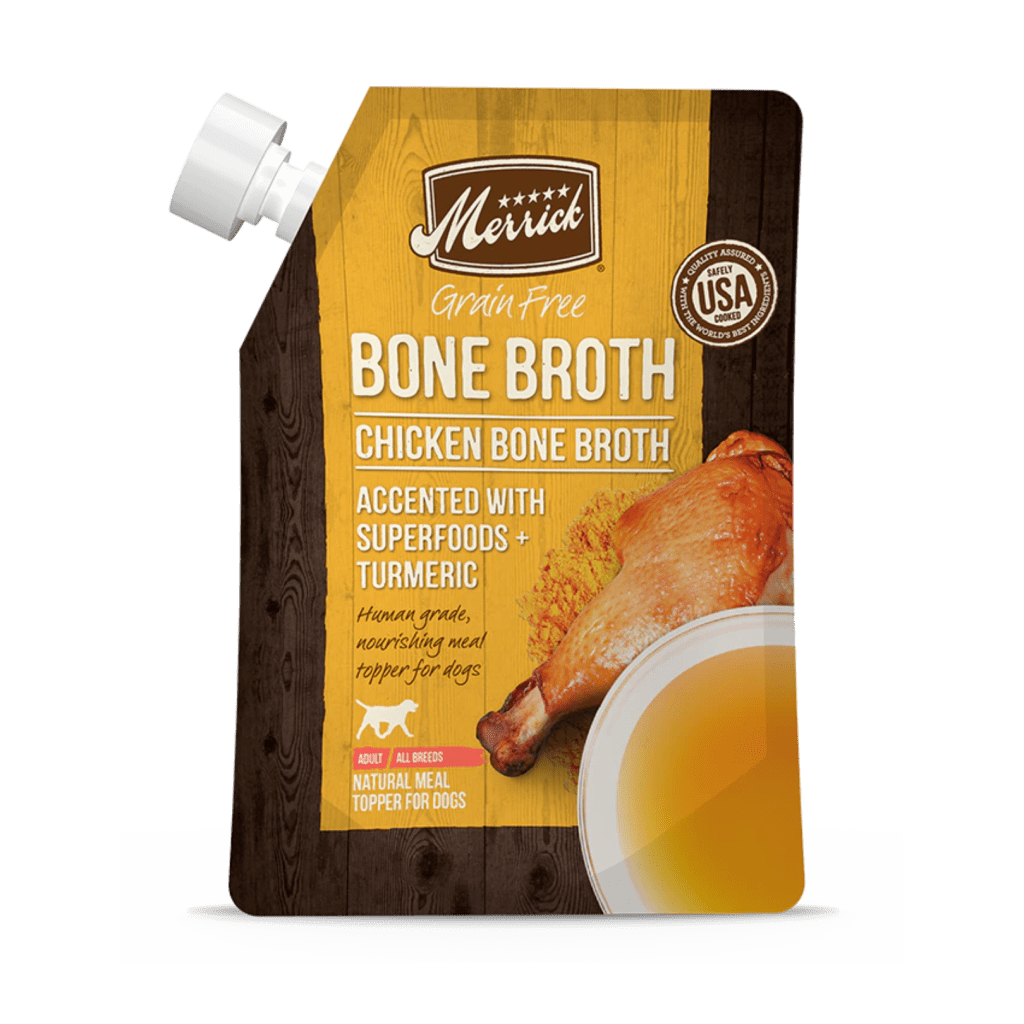
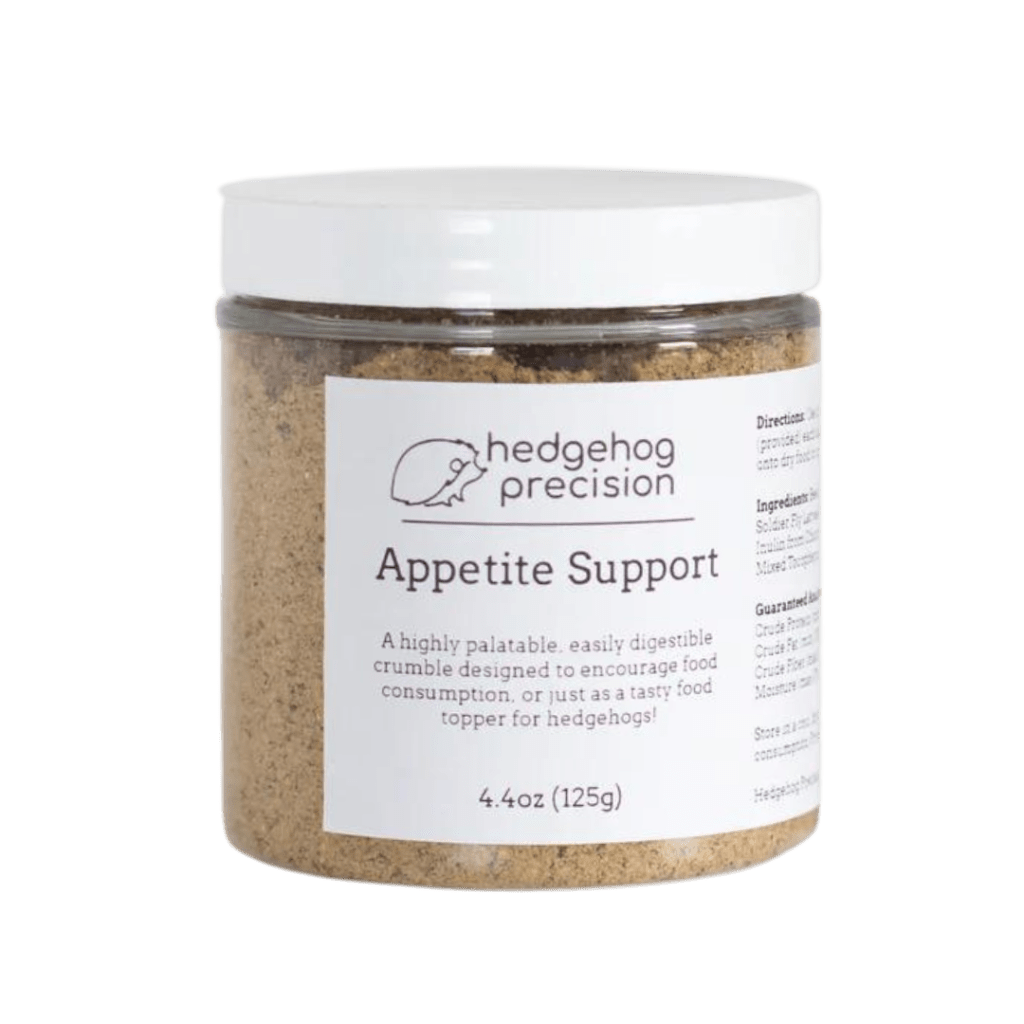
The tumour continued to grow aggressively externally and internally. It became evident that Lou had difficulty eating his dry kibbles, so I stopped this and fed wet canned food exclusively. To make it more appetizing for him, I sprinkle food toppers like the Appetite Support from Hedgehog Precision, dried dubia roaches, bug blocks from Hedgehog Precision, superworms, mealworms, larvae, dehydrated chicken (Instinct Raw Boost Mixers), bone broth (Merrick), probiotics, turmeric, milk thistle supplement, and more.
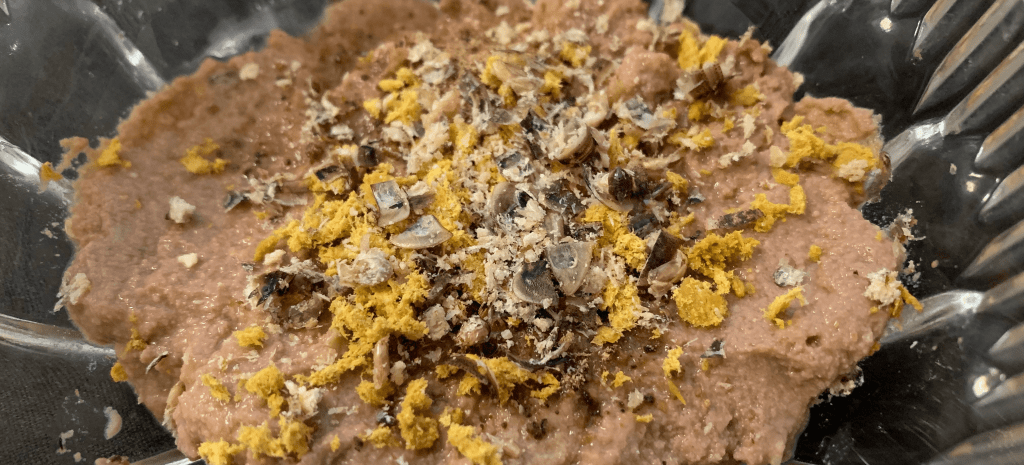
Lou is currently on Hill’s Prescription Diet a/d with Chicken Wet Dog/Cat Food. I don’t believe you can get this at any retail stores, and you’ll have to get it at vet clinics or hospitals as it’s considered a prescription diet. I always keep a couple of these with me since Theo had cancer and passed away so suddenly. The urgent care diet has been helpful for emergencies with Lou and Cici. This formula is also very easy for syringe feeding. You can mix the product with filtered water to form a soupy paste.

a/d. A must-have for emergencies.
Look into syringe feeding, as your hedgehog has more difficulty eating independently. Syringe feeding is always challenging for pets, especially hedgehogs, since they can ball up and refuse. Always encourage your hedgehogs with treats and positive reinforcements. Do it calmly and firmly so they can still digest the nutrients without fighting back. My vet says to syringe feed as often as they allow you, especially in this situation. Every little bit of food intake will help maintain their weight, energy levels, and metabolism rate against the cancer symptoms.
Bleeding in Hedgehogs with Oral Tumour
By week seven, I noticed Lou had pretty gruesome bleeding accidents as the tumour growth encapsulated the bones and gums in the lower left jaw. There was no more space for the teeth to stay, and they just fell out one-by-one. There were also ulcers (open wounds) that bleed from time to time, especially after chewing on hard food. I realized this when one of the dehydrated chicken pieces was too big for him to chew on, which worsened the bleeding.
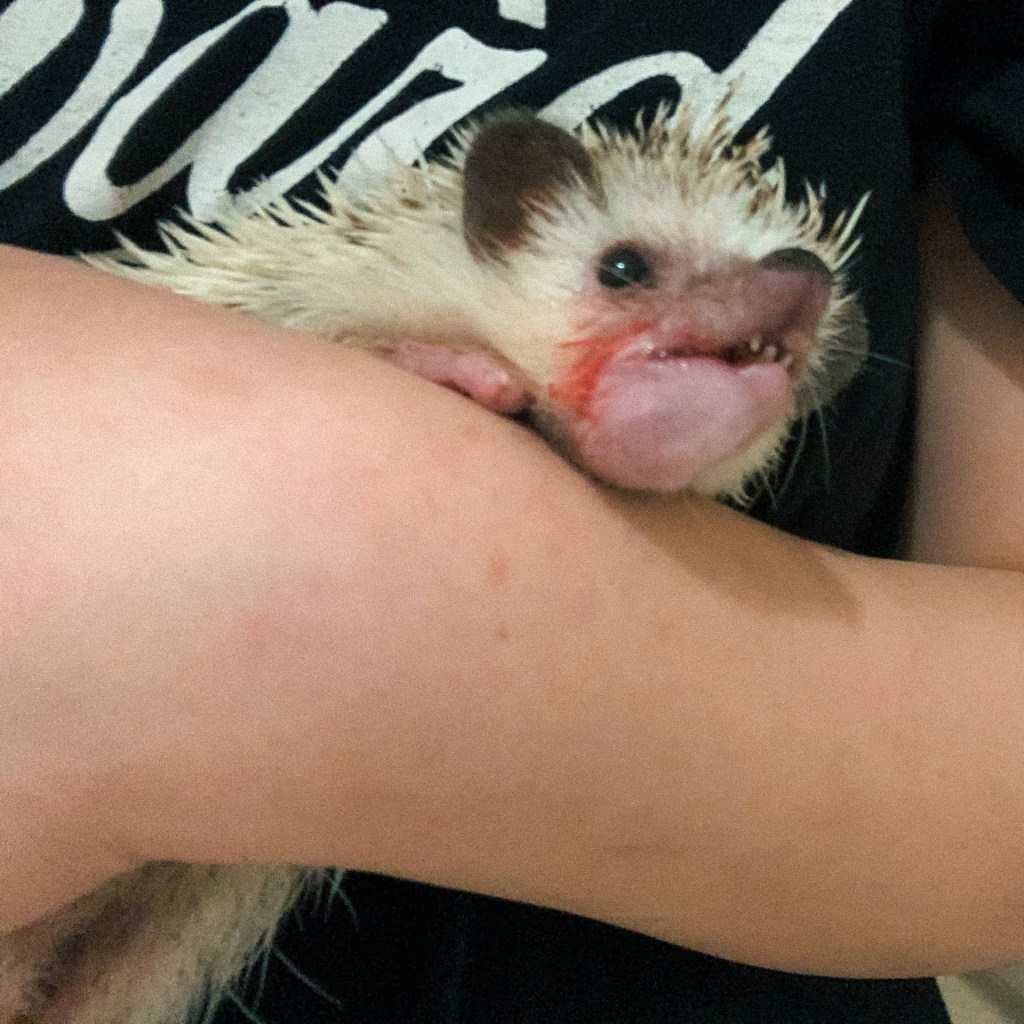
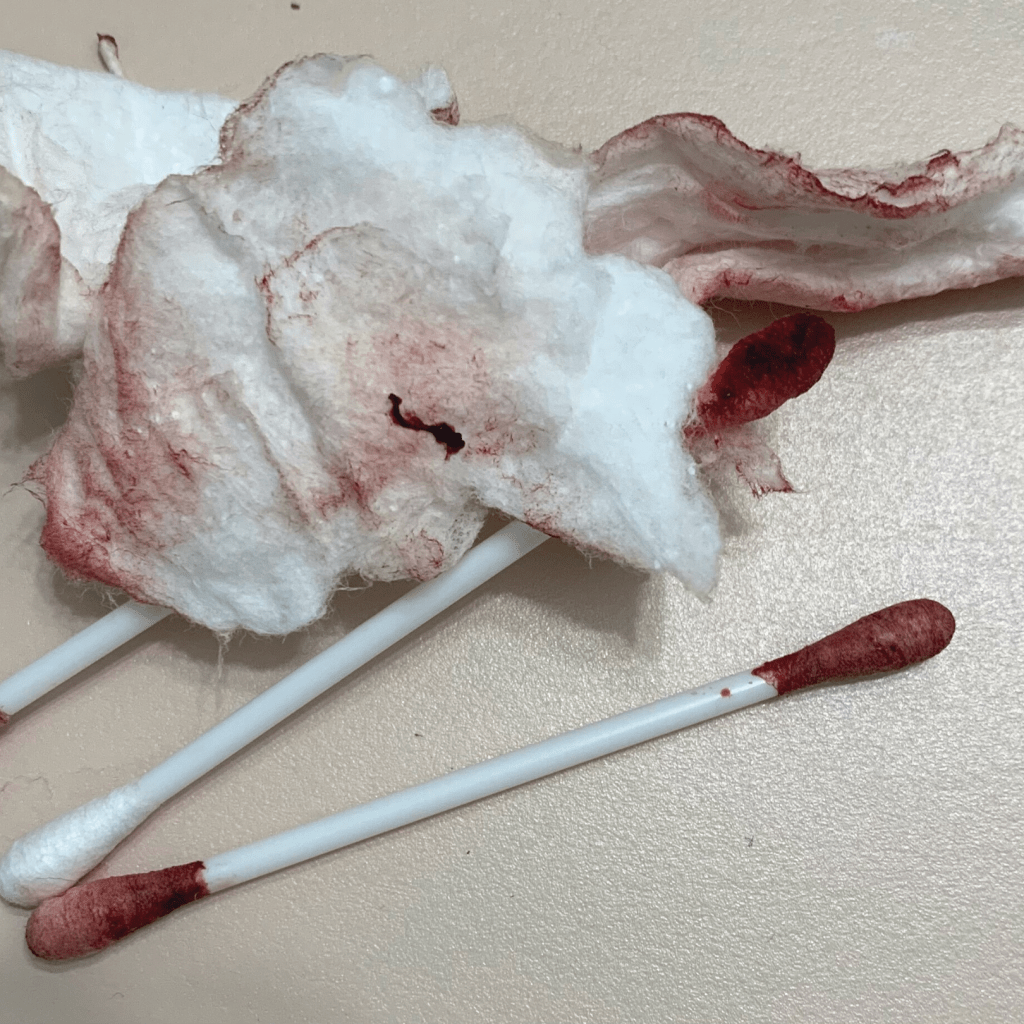
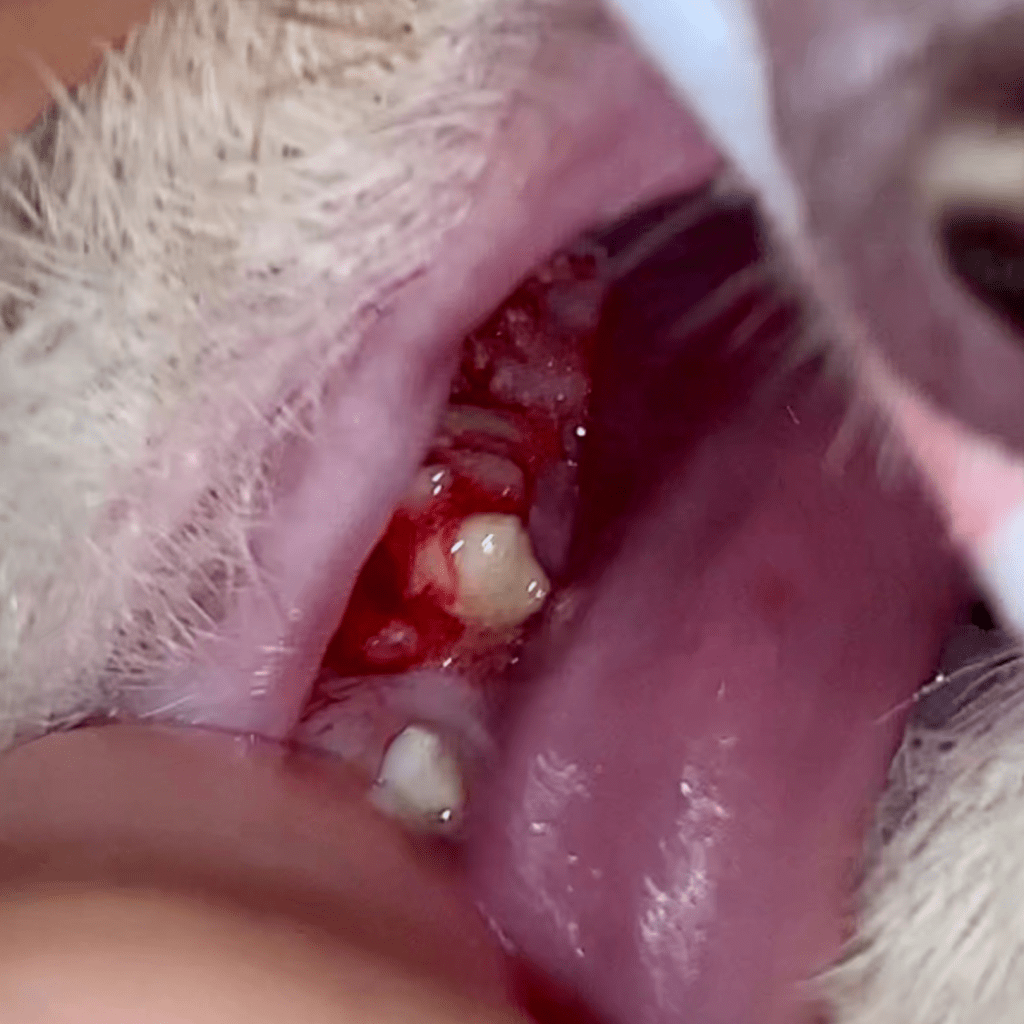
I have gone through so many cotton balls, cotton swabs, and q-tips already at this point. My cancer warrior, Lou, is still strong and annoyed whenever I try to wipe off the dry blood on his whisker and face! He’s a silly boy, but keeping the area clean is essential to prevent further infection. We also resumed antibiotics to help with this for about two weeks. Had to pause on this for a couple of days because it gave him runny poop, and I added probiotics and fibre to help with the side effects.
I’ve asked my vet what happens when a hedgehog swallows his teeth, and it becomes a choking hazard. I was told they might spit it out or poop it out, and not considered a significant concern for Lou, at least.
However, here are some tips I’ve learned on how to stop a hedgehog from oral bleeding.
Tip #1: Use cotton balls or q-tips and add pressure to the wounded area until the bleeding stops. Repeat this process until it stops. If you’re not familiar with first aid for pets, best to bring them to the vet or ER immediately.
Tip #2: Leave some wet q-tips or cotton balls in the freezer so you can use it to provide some relief and cold compress the wound.
Tip #3: Make sure your hedgehog is warm and conscious. Provide some cool treats which may help with reducing the inflammation.
Tip #4: Never leave your hedgehog alone. Wait until the bleeding has stopped for a while before you leave them on their own. In the meantime, you can keep them in your lap or with you just to monitor their subsequent progress. Again, I cannot emphasize this more, bring to vet/ER if you don’t know what you’re doing.
Week 11-14: ADVANCED Hospice Care
**updated post-publication**
Earlier on, I was also informed by a friend who adopted Lou’s (possible) littermate that their lovely hedgehog has since passed from oral cancer too. I couldn’t help but think this could be a genetic thing. Although my vet has explained that cancer happens due to mutation, we don’t know why it happens.
Cachexia, muscle loss
With the cancer and strong pain medication taking a toll on Lou’s fragile body, I noticed that I’m seeing more of Lou’s bony frame. His tummy also looked distended, I was concerned with kidney failure, side effects of the prednisolone, or entertaining the possibility of the cancer spreading to other parts of his body.
However, the vet clarified during our recheck that the abdomen may look bloated because of the disproportionate mass distribution. He was losing weight overall and the muscles were no longer firm.
Runny, black poop
What can I say. Due to a more water-based diet and his health condition, Lou’s been drinking a lot, which meant that he was peeing more and also having watery poop. They were no longer firm.
It was quite the mess because it leaves a trail behind whenever his little nubby tail touches the ground.
But overall, these symptoms were to be expected. And Lou is still hanging in there! He’s defeated many odds since day one, and I’m so proud of him. He still has his zoomies, eating, pooping, running etc. It’s been a gradual decline in terms of activity levels.
Dental Hygiene
With the tumour located in the jaw area, which means it is a little easier to clean any wounds or infections since we can see this physically.

Warning: graphic image of Lou’s oral tumour up-close.
If you’re familiar with hedgehogs, they can easily bite with their sharp teeth to let you know they hate whatever you’re doing. So, Lou not biting when he could have during the close-up oral inspection and cleaning process made me all the more determined to continue my efforts to help him. Don’t attempt this on your own without your vet’s advice.
Lou is very compliant and trusting for the most part. He lets me gently brush his teeth with a very soft toothbrush. I would recommend starting to brush as early as you can. At this stage, I only brush the tumour-free side. Since the area where the tumour growth is delicate and bleeds easily, I resorted to cleaning the area with q-tips and cotton balls instead.
By repetitively chewing on the q-tip and cotton ball, it may help to dislodge some of the food and reduce the risks for oral infection and further irritation.
New Exercise Wheel
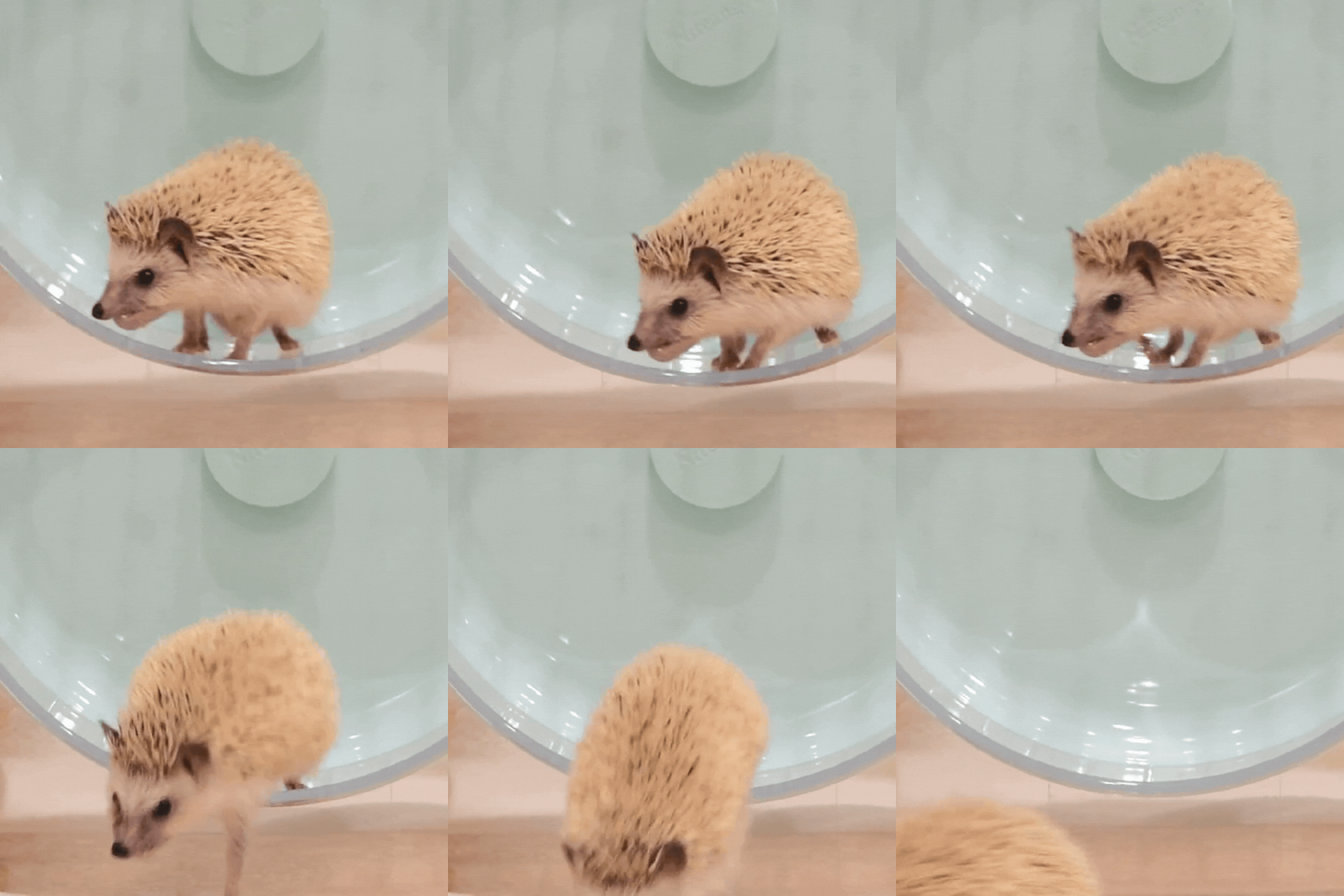
Right now, Lou’s hanging on due to the overwhelming support from our family and friends. I recently bought him a new wheel, so he’s been busy running, sleeping, eating, and enjoying cuddling with me.
Lou also attended my make-up university graduation, which was delayed during the pandemic. It was a bittersweet moment, because I wasn’t sure if Lou would make it. Instinctively, I took many photos to capture the memories of Lou and Cici attending my graduation as my honoured guests.
Despite his initial prognosis, I consider myself very lucky to have this much time with Lou. I would also like to acknowledge that I’m fortunate to have a very understanding employer in my day job, where I have the flexibility to bring him to the vet regularly and work from home for the most part. I understand that not everyone has the same privilege or luxury of being there for their beloved pet’s final moments. I treasure every day, and every moment we have together.
Preparing for the loss
I have also started preparing two sealed containers in the unfortunate event that Lou or Cici passes away. What is this for? Well, the container will help me safely transport their physical remains to the cemetery or store them in the freezer if the vet or cemetery is closed after hours or during the holidays. I’m always preparing in advance because I know that I will be a complete wreck when it happens. You can read more about my guide on aftercare here.
Our vet can’t say for sure how much time Lou has left. Still, we’re all very glad that he’s having good tongue mobility, which is crucial since it indicates that the tumour growth has not yet impeded his tongue.
Despite our somewhat optimistic journey and being able to spend more time with Lou despite the aggressive nature of the oral tumor, I feel obliged to mention again that there is no cure for cancer (yet), at least not for hedgehogs. All I can wish for is that Lou has a painless and peaceful passing from this nightmare.
Week 15-16: MORE UpdateS & A Difficult Decision
Can you believe it’s December already? We had a vet recheck on December 1st for both Lou and Cici.
It was also the first time after many visits and rechecks where our vet, Dr. S finally mentioned the E word – euthanasia.
Understandably, it’s a humane way to end all of Lou’s suffering. I was given time to think about this.
Thank you for reading this lengthy post (and personal rant). Now, you may know what to expect and how to care for a hedgehog with oral cancer.
Until then, stay tuned to our updates.

 Adventurous Paws
Leave a comment